Home / Metal Fabrication / CNC machining
CNC machining
Milling and turning for the parts that have to fit — spigots, bushes, base plates and fitted components made to drawing, not to eye.
Milling and turning for the parts that have to fit — spigots, bushes, base plates and fitted components made to drawing, not to eye.
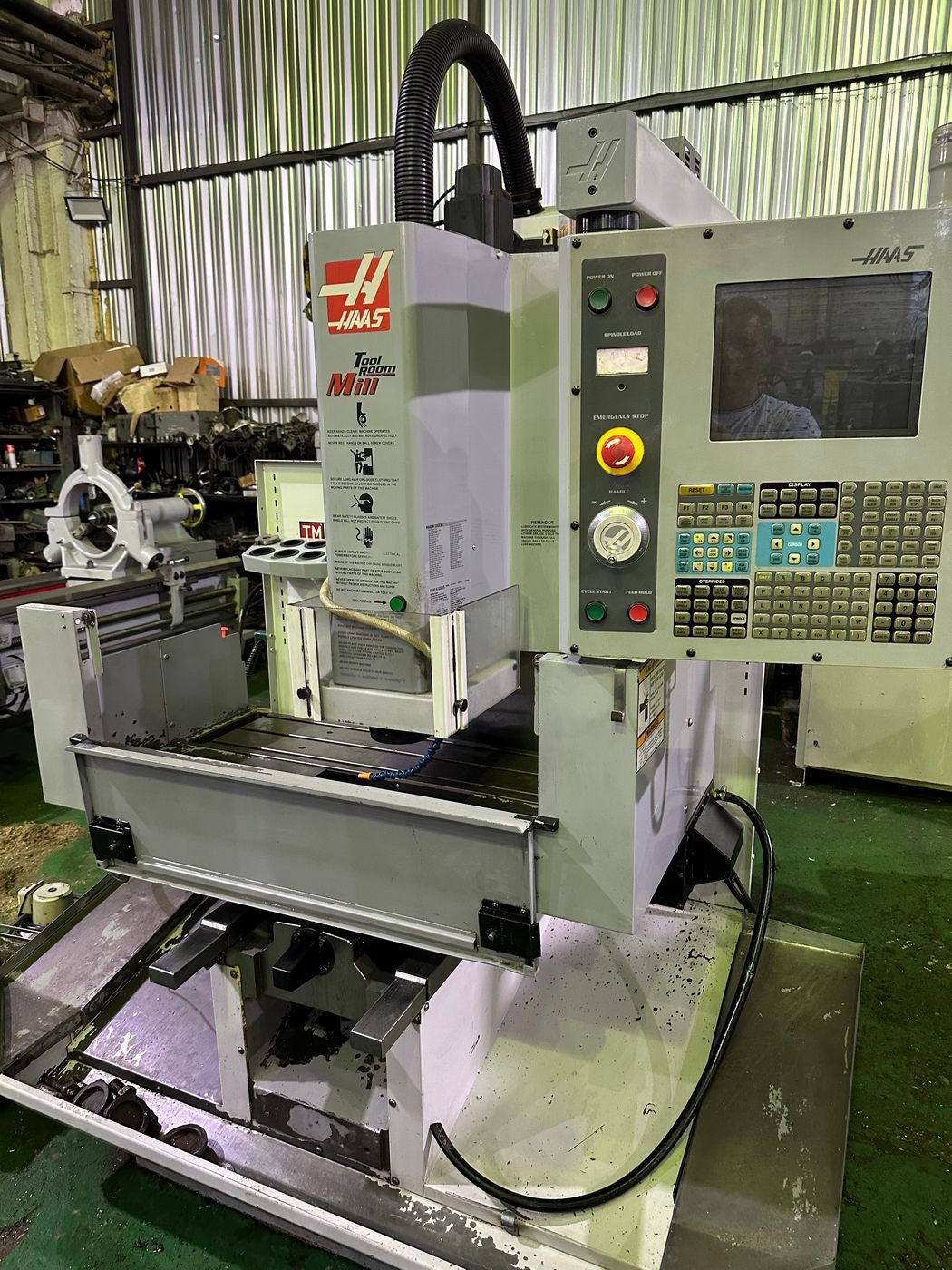
Most metalwork is cut and welded. Some of it has to be machined — a spigot that has to hold a glass panel plumb, a bush that has to turn, a face that has to sit flat. That work runs on our Haas Tool Room Mill alongside conventional milling and turning.
Having it in-house is why our railing systems use our own machined fittings rather than whatever the market stocks. It is also why we could design a purpose-made glass support for the Riyadh Metro instead of buying one that would not hold.
| Material | Machinability | Typical use | Notes |
|---|---|---|---|
| Mild steel | Good | Base plates, brackets, embeds | Coated or galvanized after |
| Stainless 304 | Moderate | Fittings, spigots, covers | Work-hardens — slower feeds |
| Stainless 316 | Moderate | Wet-area and food-grade fittings | Same handling as 304 |
| Aluminum | Excellent | Housings, plates, prototypes | Fast and economical |
| Brass & bronze | Excellent | Bushes, fittings, decorative | Free-machining |
Machined glass supports and post fittings for our own railing systems.
Faced and drilled plates that sit flat on the substrate.
Turned components for gates, hinges and moving assemblies.
A replacement part machined from a worn sample when no drawing exists.
One-off parts to prove a detail before committing to a production run.
DXF, DWG or STEP for cut parts. PDF for fabricated assemblies. If you only have a sketch or a photo of the part, send that — we will tell you what else we need.